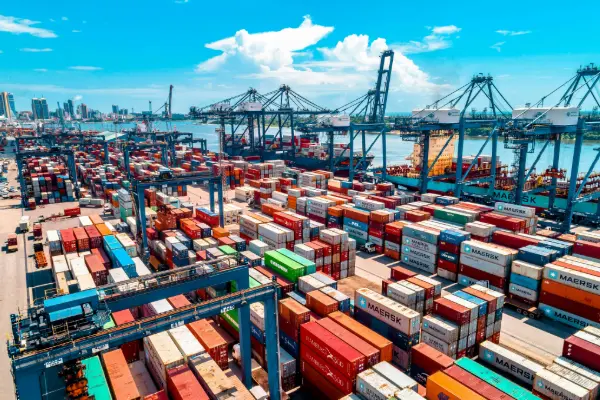
Beijing has pushed back against reports of potential new United States tariffs, describing the prospect as political maneuvering and calling for continued stability in bilateral trade.
The response comes amid ongoing discussions around U.S. trade measures and high level diplomatic engagement between Washington and Beijing. According to Bloomberg reporting on China's tariff response, officials in Beijing urged both sides to safeguard trade stability and keep bilateral economic cooperation steady rather than escalating tariff pressure.
Trade policy debates between major economies often create a tug of war between diplomatic pledges to keep markets open and domestic pressures to protect local industries. Tariff rules, statutory trade remedies, and customs frameworks outlined by the United States International Trade Commission illustrate how trade actions are structured and reviewed across global supply chains.
For global and SME businesses with cross border sourcing or export exposure, ongoing tariff signals mean reviewing supplier diversification, customs compliance, and pricing buffers remains essential.
FAQs
1. How did China respond to reports of potential new U.S. tariffs?
China dismissed the prospect as political maneuvering and called for protecting trade stability.
2. Why do U.S. and China tariff signals matter to global markets?
Both countries sit at the center of global manufacturing and trade, so tariff talk can affect export demand, costs, and supply chains.
3. What is China urging in its response?
Beijing has emphasized maintaining trade stability and avoiding moves that disrupt bilateral economic ties.
4. How do high level talks affect tariff tensions?
Summit meetings and diplomatic outreach can ease immediate friction, though policy disagreements over trade and industry frequently resurface.
5. How should international companies respond to tariff uncertainty?
Many companies diversify suppliers, review customs and compliance exposure, and maintain contingency plans for shifting trade rules.


.webp)