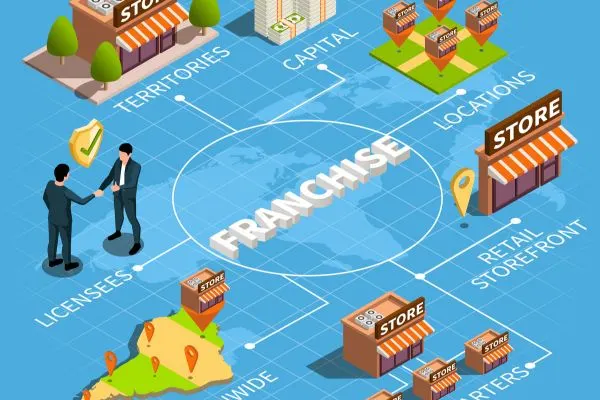
Many of the most popular food and beverage brands in the world today owe their success to franchising. Early in the 1990s, McDonald's introduced the idea in India, influencing the market's perception of scalable restaurant enterprises. Since then, local companies like Goli Vada Pav, Bikanervala, and Haldiram's have used franchising to grow to more than 200 locations each.
After carefully evaluating target audiences and catchment areas, Indian food brands are also making their mark abroad and succeeding commercially. But it's not an easy journey. Making money in the food and beverage industry is a difficult task. Siegfried Nierhaus, Managing Director of Atlas Hospitality, says it is very difficult to oversee. "Those who have no prior experience should collaborate with those who have a thorough understanding of the industry."
Selecting the Appropriate Franchise Partner
Many business owners enter the food industry with the impression that it is glamorous and fashionable, only to discover how challenging it is to maintain profitability. A number of chefs have tried franchising in recent years, but they have all failed—often as a result of poor partner selection and an unfinished business plan. Strong financial planning and precise margin calculations are necessary to support the passion for food, service, and people.
"You shouldn't franchise if you think your concept is ready for franchising but aren't consistently making at least 10 percent net operating profit for three years," suggests Nierhaus.
Additionally, franchising necessitates accountability and openness between partners, particularly in trying times. Strong technology, effective supply chains, standardized products, and a clearly defined concept and design are all necessary for this intricate ecosystem. "Ask yourself why someone should invest in your brand before franchising," advises Chaiiwala founder Muhummed Ibrahim. "As the business grows, it is your responsibility as a franchisor to make sure that both you and your franchisee can make sustainable profits."
Developing Connections Outside of Contracts
Franchise relationships are built on cooperation and trust. "The relationship between a franchisor and franchisee is like a marriage—it requires bonding, not just legal binding," says Pravesh Pandey, Director of BygBrewski Brewing Company. When both parties genuinely care about each other's success, a strong partnership is formed.
In order to provide consistent support that goes beyond procedures and checklists, he continues, franchisors need to have committed teams working closely with franchise partners on the ground.
The Greater Picture
Franchising gives entrepreneurs and restaurant owners the chance to manage their own companies while taking advantage of a well-known brand and tested procedures. Adopting a name and blueprint is only one aspect of owning a franchise, though. Both the franchisor and the franchisee must be equally committed to building long-term sustainability, expanding the brand, and adjusting to new markets.
Ultimately, franchising is a partnership based on mutual success, discipline, and a common vision rather than merely a growth strategy.