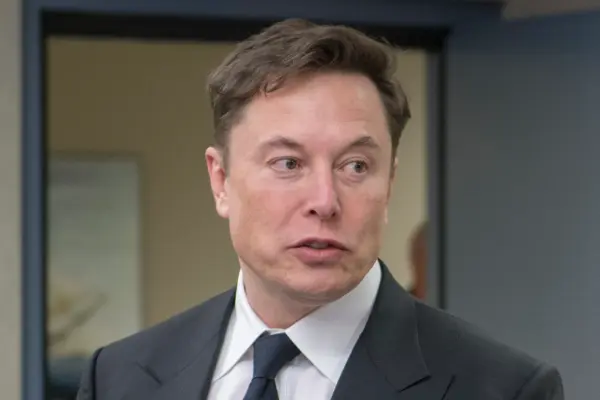
In the landscape of modern enterprise, few figures command global market sentiment quite like tech visionary Elon Musk. As executive strategies increasingly align with artificial intelligence, deep-tech infrastructure, and next-generation mobility, Musk's enterprise ecosystem continues to set benchmarks across multiple global industries.
According to global wealth metrics, Musk’s net worth has sustained record momentum, driven by major operational milestones across SpaceX, Tesla, and xAI. But beyond the headline figures lies a strategic model that enterprise leaders frequently benchmark.
1. Capital Deployment in High-Barrier Markets
Musk’s wealth accumulation stems from a deliberate strategy of targeting high-barrier-to-entry sectors. While traditional capital often shies away from deep tech due to extended development cycles, SpaceX and Tesla capitalized on early market dominance to build formidable competitive moats.
Much like global enterprises restructuring operations to cut legacy inefficiencies—similar to organizational shifts analyzed in our report on Apple's support forum transition—Musk’s ventures prioritize vertical integration to maintain speed and margin control.
2. Scaling AI Infrastructure and Satellite Logistics
A significant catalyst behind recent valuation growth is the rapid expansion of satellite communication networks alongside advanced AI computing platforms. By embedding artificial intelligence into autonomous transport and satellite deployment, his companies have expanded their total addressable market (TAM) beyond traditional manufacturing.
This multi-sector approach reflects broader shifts in regional tech assets and decentralized systems, comparable to structural innovations seen in initiatives like the Wyoming stablecoin launch.
3. The Executive Blueprint for Modern Leaders
For business leaders and enterprise strategists, Musk’s trajectory offers three critical takeaways:
-
High-Conviction Risk Management: Willingness to reinvest capital into core operational infrastructure during market downturns.
-
Rapid Iteration Cycles: Prioritizing product prototyping and real-time data feedback loops over legacy bureaucratic approvals.
-
Brand-Driven Valuation: Leveraging personal leadership branding to drive corporate equity values without conventional marketing spend.
Executive Takeaway for Business Leaders
Building long-term enterprise value in the 2020s requires balancing ambitious tech bets with aggressive operational efficiency. Elon Musk’s continuous positioning atop global leaderboards serves as a case study in how vertical integration and emerging tech alignment compound capital over time.
Frequently Asked Questions
Q1: What are the primary sources of Elon Musk’s net worth?
Elon Musk's net worth is primarily tied to his equity holdings in Tesla, SpaceX, xAI, and associated technology entities.
Q2: How does SpaceX contribute to billionaire wealth rankings?
Commercial launch dominance, government defense contracts, and Starlink global internet expansion have consistently pushed SpaceX's private market valuation to record highs.
Q3: What category does this profile belong to on Global SME Views?
This profile is filed under Global Business > Stories on Leadership as part of our executive spotlight series.